The Spare Handset Myth: A Proper Telecoms Setup for New UK Hires

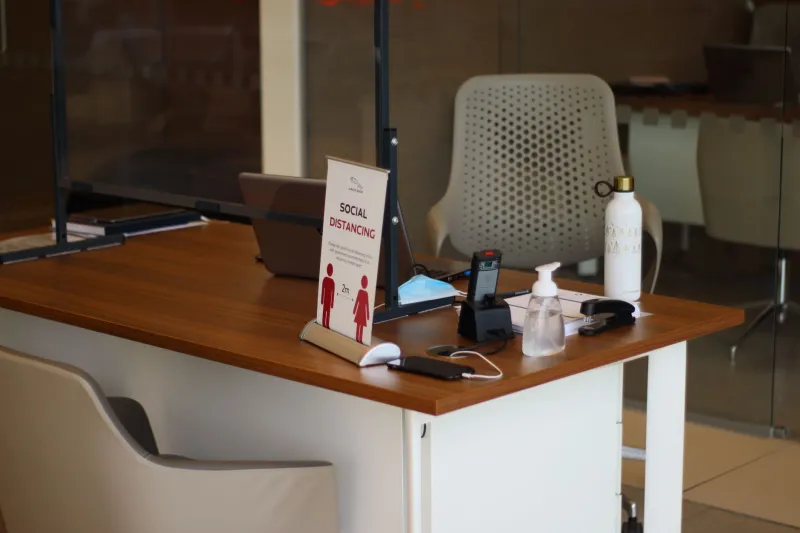
Photo: Francisclarke, CC BY-SA 4.0, via Wikimedia Commons
Most small firms think onboarding a new starter's phone means finding a spare handset and hoping for the best. Then the new person arrives, the phone has no extension, voicemail is a mystery, and the first customer call goes to someone who left in March. The fix is not more kit. It is a short, repeatable order of work.
Give the job to one person
Telecoms onboarding goes wrong when everyone assumes someone else is doing it. The office manager thinks IT is handling it. IT thinks the telecoms provider has been told. The manager thinks the new starter will sort it out on day one.
Name one owner. In a small UK firm that might be the office manager, an operations lead, or whoever already deals with the phone bill. The owner does not need to be a telecoms expert. They need to keep a simple record and know who to call when something is missing.
A shared checklist is enough. It should show the new starter's name, start date, role, whether they need a direct dial or just an extension, what device they will use, which call groups they belong to, and any restrictions on their line. That last column is the one people forget.
Before the start date: match the phone to the role
Start two weeks out, not the morning of arrival. Ask the hiring manager what the job actually involves. A finance assistant who takes supplier calls needs a different setup from a designer who joins one weekly team call.
A customer-facing role usually needs a direct dial number and a voicemail greeting. A back-office role may only need an extension and softphone access. A hybrid worker needs a softphone that works on their laptop or work mobile, plus a headset that does not make them sound like they are calling from a submarine.
Do not buy a desk phone by default. In 2026 plenty of UK SMEs run perfectly well with softphones and headsets, especially where desks are shared. But check the practical stuff first: is there a decent Wi-Fi signal where they will sit? Is there a spare network port? Does the headset work with the laptop they have been issued?
Also check licence numbers. A new starter may need a telephony licence, a softphone licence, or both. Ordering the handset but not the licence is a classic own goal.
The number register: one list, no folklore
Number assignment should not live in someone's head. Keep a simple register: name, extension, direct dial, device, call groups, permissions, start date, and leaver date when it happens. It can be a spreadsheet. It just needs to be current and shared with the person who owns telecoms.
Decide whether the new starter gets a direct dial or an extension off the main line. In a micro-business, an extension may be all that is needed. In a firm where customers ring individuals, a direct dial is usually worth it.
Use business numbers, not personal mobiles. A personal mobile on a business card creates a messy exit later, and it blurs the line between company and personal data. If a mobile is genuinely part of the role, issue a work mobile or a softphone number that the business controls.
If the number is new, add it to the register before it goes live. If it is being reused from a leaver, check that the old voicemail greeting, call forwarding and call groups have been cleared first. Nobody wants a new starter's first customer call landing in a dead mailbox.
Permissions: start small, then open the right doors
New starters should not get admin rights to the phone system because it is quicker. Give them what the role needs and nothing more. That means call groups, voicemail, softphone access and any necessary outbound calling permissions.
If the role does not need international calling, restrict it. If it does not need premium-rate numbers, block them. These small settings reduce fraud risk and make the line easier to manage. They also make offboarding cleaner, because there is less to undo.
Set a voicemail PIN that is not the default and not the new starter's date of birth. Turn on multi-factor authentication for softphone and admin accounts where the provider supports it. Never share a colleague's login because it is convenient. Shared credentials are a security gap and a nightmare when someone leaves.
If calls are recorded, make sure the greeting tells people and the policy is up to date. Call recording has a compliance side, and new starters should know what is recorded and where it is stored.
Voicemail, call groups and the directory
Record a voicemail greeting before day one. It does not need to be a radio advert. Something like: you have reached the sales team, leave a message and we will call back. Then test it from an external phone.
Add the new starter to the right call groups. If the main number rings a hunt group, check they are in it. If the group has business hours, check their profile matches. If calls ring their softphone and desk phone at the same time, test that too.
Update the auto-attendant, website contact page and email signatures. A new starter whose extension is not in the directory is only half onboarded. If the firm uses a CRM or helpdesk, add them there as well so customer calls can be logged against the right person.
The day-one five-call test
Book fifteen minutes on the first morning for a simple test. It saves hours of confusion later.
- Call the main number from a mobile and ask for the new starter by name.
- Call their direct dial or extension from another internal phone.
- Leave a voicemail from an external phone and check it can be retrieved.
- Call the main number and check it reaches the right call group.
- Transfer a call to a colleague and back again.
If any of those fail, fix them before lunch. A working phone by lunchtime is a reasonable target. A working phone by the end of the week is not.
Offboarding is onboarding in reverse
When someone leaves, the same checklist runs backwards. Remove them from call groups. Revoke softphone access. Wipe or collect the device. Change any shared PINs or passwords they knew. Reassign the direct dial if it is needed. Archive call recordings according to policy. Remove the licence so you are not paying for a ghost.
Do not delete a customer-facing number on Friday afternoon without deciding what happens next. Forward it for a period, update the voicemail, or move it to the person taking over the account. Keep a note of the date and what was done.
A one-page checklist to pinch
- Named owner for telecoms onboarding
- Role-based decision: direct dial, extension or softphone only
- Licence and device ordered
- Number added to the register
- Voicemail greeting recorded and tested
- Call groups and business hours checked
- Permissions set to least privilege
- Softphone MFA and non-default PINs in place
- Directory, website and auto-attendant updated
- Day-one five-call test completed
- Leaver process documented for the future
None of this is glamorous. But a new starter who can make and take calls properly on day one feels like a competent firm. One who spends the morning asking where the phone is does not.